The Crucial Overview to Understanding Screen Printing and Its Versatile Makes use of
Screen printing has an abundant background that goes back to ancient times, advancing right into a sophisticated method utilized throughout different sectors today. This overview explores the details of the screen printing process, outlining its applications in style, advertising, and home decoration - 10:9 Design Screen Printing. Recognizing these fundamentals can open up creative capacity for both imaginative and industrial jobs. The complying with areas will certainly reveal important suggestions and techniques to enhance one's screen printing endeavors
The History of Screen Printing
Although screen printing has roots that map back centuries, its development shows the technological and creative advancements of numerous cultures. Coming from in old China, the strategy was initially made use of for embellishing fabrics and later spread to Japan, where it became indispensable to Ukiyo-e woodblock printing. The approach shifted to Europe in the 18th century, where it gained popularity among artisans and business printers. The innovation of picture emulsion in the 20th century reinvented screen printing, permitting even more detailed layouts and greater efficiency. Musicians like Andy Warhol better propelled its appeal, making use of the tool to develop famous works that blended commercialism and art. By the late 20th century, screen printing had developed itself as a flexible technique, utilized in fashion, advertising, and great art. Today, it remains to progress, integrating digital innovation and expanding its applications throughout different markets.
The Screen Printing Process Explained
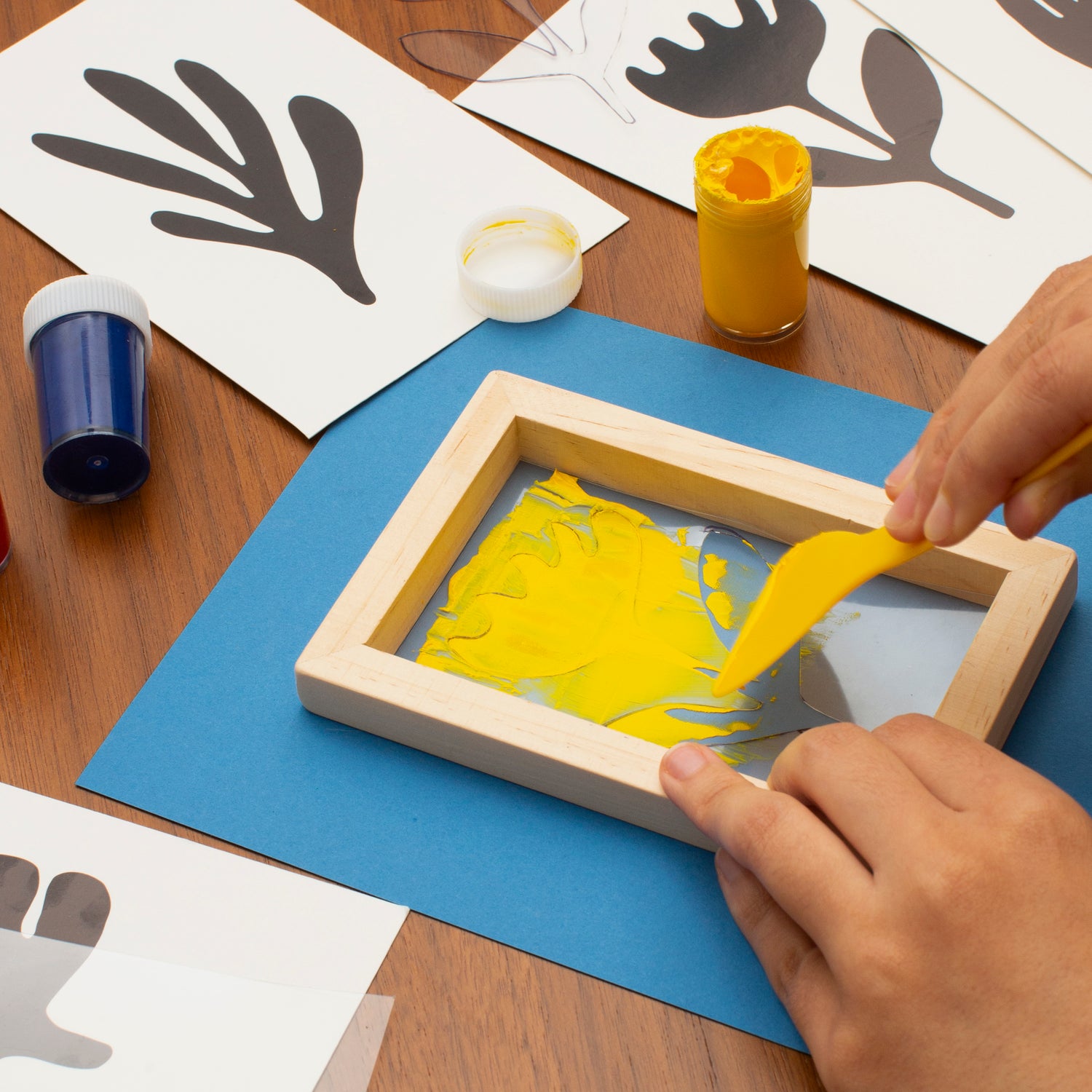
Screen printing transforms imaginative visions into concrete designs via a series of precise actions. A photo is created and after that moved onto a screen, normally made of fine mesh material extended over a framework. A light-sensitive emulsion is applied to the screen, which is subjected to light, solidifying in locations not covered by the photo. After rinsing the unhardened emulsion, a pattern is formed.
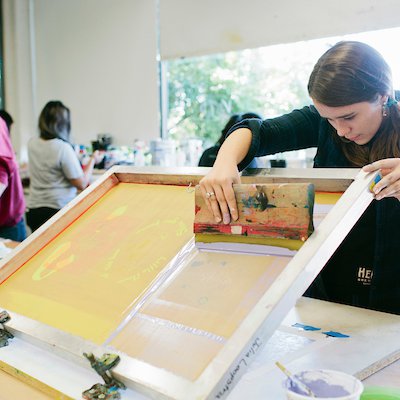
Next off, the screen is positioned over the substratum, whether it be fabric, paper, or another material. Ink is then pushed through the open areas of the pattern making use of a squeegee, depositing the design onto the substratum below. This process can be duplicated for numerous shades, requiring different screens for each color. The printed thing is cured making use of heat to guarantee the ink sticks properly, resulting in a sturdy, vibrant style all set for use.
Kinds of Screen Printing Techniques

In addition, specialty techniques, such as discharge screen printing, remove dye from the fabric to create softer prints, while foil screen printing uses metal aluminum foil to attain a shiny finish (10:9 Design near me). Each method offers unique attributes, catering to various imaginative demands and production ranges, Visit Website eventually expanding the possibilities within the screen printing domain name
Applications of Screen Printing in Various Industries
Furthermore, the signage and marketing sectors utilize screen printing for creating eye-catching displays and banners. This method enables vibrant colors and intricate styles that record interest. In electronic devices, screen printing is used for using conductive inks to circuit card, important for component connections. In addition, the home style industry welcomes screen printing to produce distinct designs on textiles and wall surface art. On the whole, screen printing works as a crucial device throughout diverse areas, enhancing products with individualized and visually appealing graphics.
Tips for Successful Screen Printing Projects
While undertaking a screen printing task, cautious interest to information can significantly improve the final outcome. Initially, selecting premium products is necessary; this includes visit this site right here the screen, inks, and substrates. Using ideal mesh matters can affect ink deposition and detail resolution. Preparation is similarly crucial; extensive cleansing of displays and correct exposure times assure crisp prints.
Next, accurate registration is critical for multi-color prints. Making use of alignment devices can assist attain specific layering. In addition, screening prints on scrap products before production assists recognize potential concerns without wasting sources.
Frequently Asked Inquiries
What Products Are Finest for Screen Printing on Material?
Cotton and polyester blends are ideal for screen printing on fabric due to their durability and ink absorption. In addition, specialty fabrics like silk or canvas can produce one-of-a-kind appearances and coatings, improving the overall layout high quality.
Just how Do I Clean and Maintain Screen Printing Tools?
To maintain and clean explanation up screen printing tools, one need to consistently wash screens with appropriate solvents, evaluate mops for wear, oil moving parts, and shop all things in a dry, dust-free setting to extend their life-span.
What Are the Environmental Impacts of Screen Printing?
Screen printing can have significant ecological influences, including chemical waste from solvents and inks, water usage throughout cleaning procedures, and energy usage. Sustainable practices and environmentally friendly materials are necessary for reducing these negative effects.
Can Screen Printing Be Done at Home Efficiently?
Screen printing can be efficiently done at home with the right materials and strategies. Enthusiasts can produce high quality prints, though success relies on their ability level, tools, and understanding of the procedure included.
What Are the Costs Associated With Beginning a Display Printing Service?

Beginning a screen printing service includes costs for equipment, products, and work area. First expenditures typically vary from a few hundred to numerous thousand dollars, relying on the range, high quality of equipment, and preferred manufacturing ability.
Screen printing has a rich history that dates back to ancient times, progressing into a sophisticated method used throughout numerous markets today. Another method, rotating screen printing, utilizes round screens, facilitating continual printing on material rolls, thus boosting efficiency for large-scale manufacturings. In addition, specialized techniques, such as discharge screen printing, remove dye from the material to produce softer prints, while aluminum foil screen printing applies metallic foil to accomplish a glossy surface. In the style sector, screen printing is extensively used to create vibrant layouts on garments, making it possible for brand names to display their unique designs. Cotton and polyester blends are suitable for screen printing on material due to their resilience and ink absorption.